About The Project
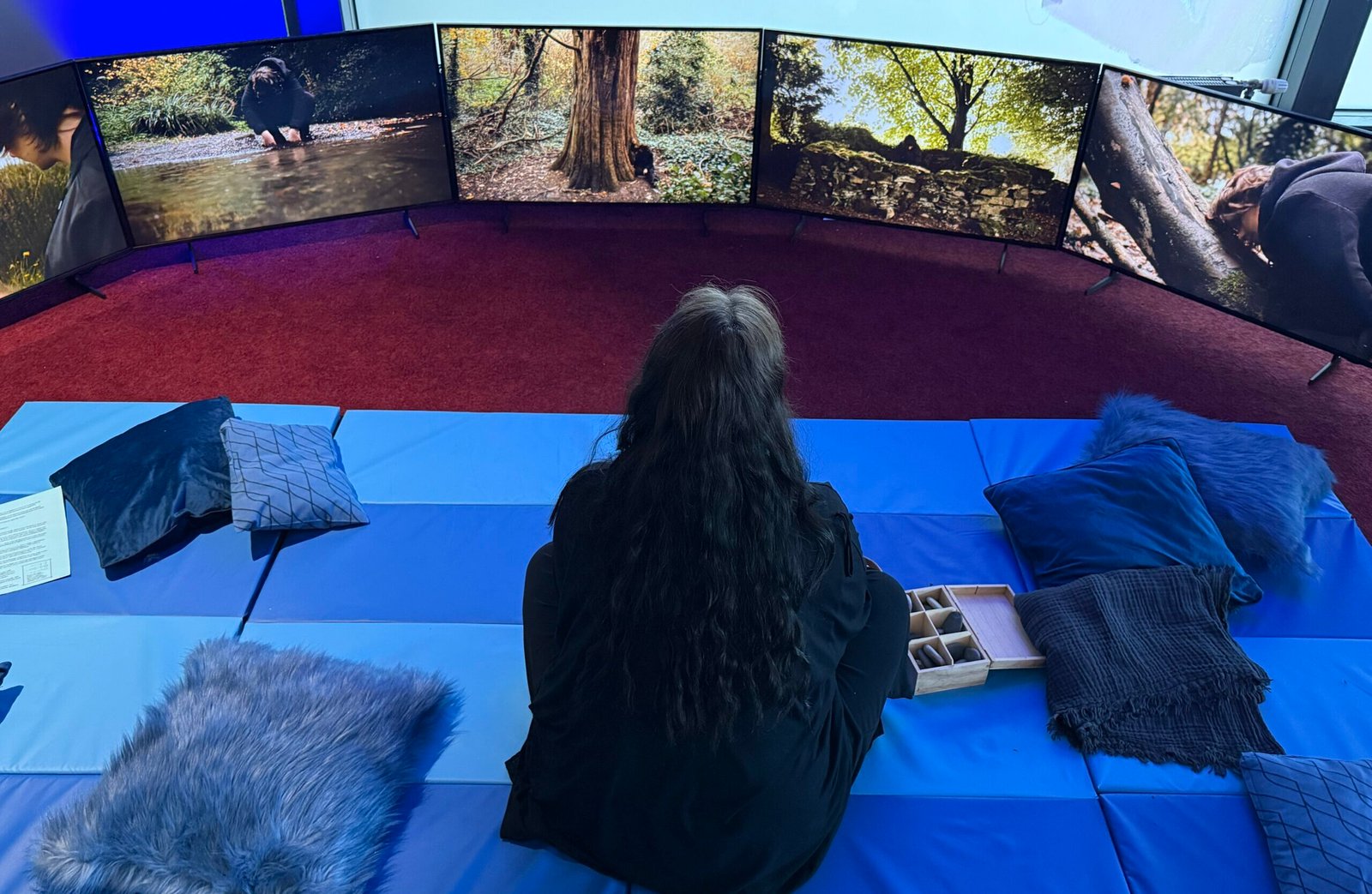
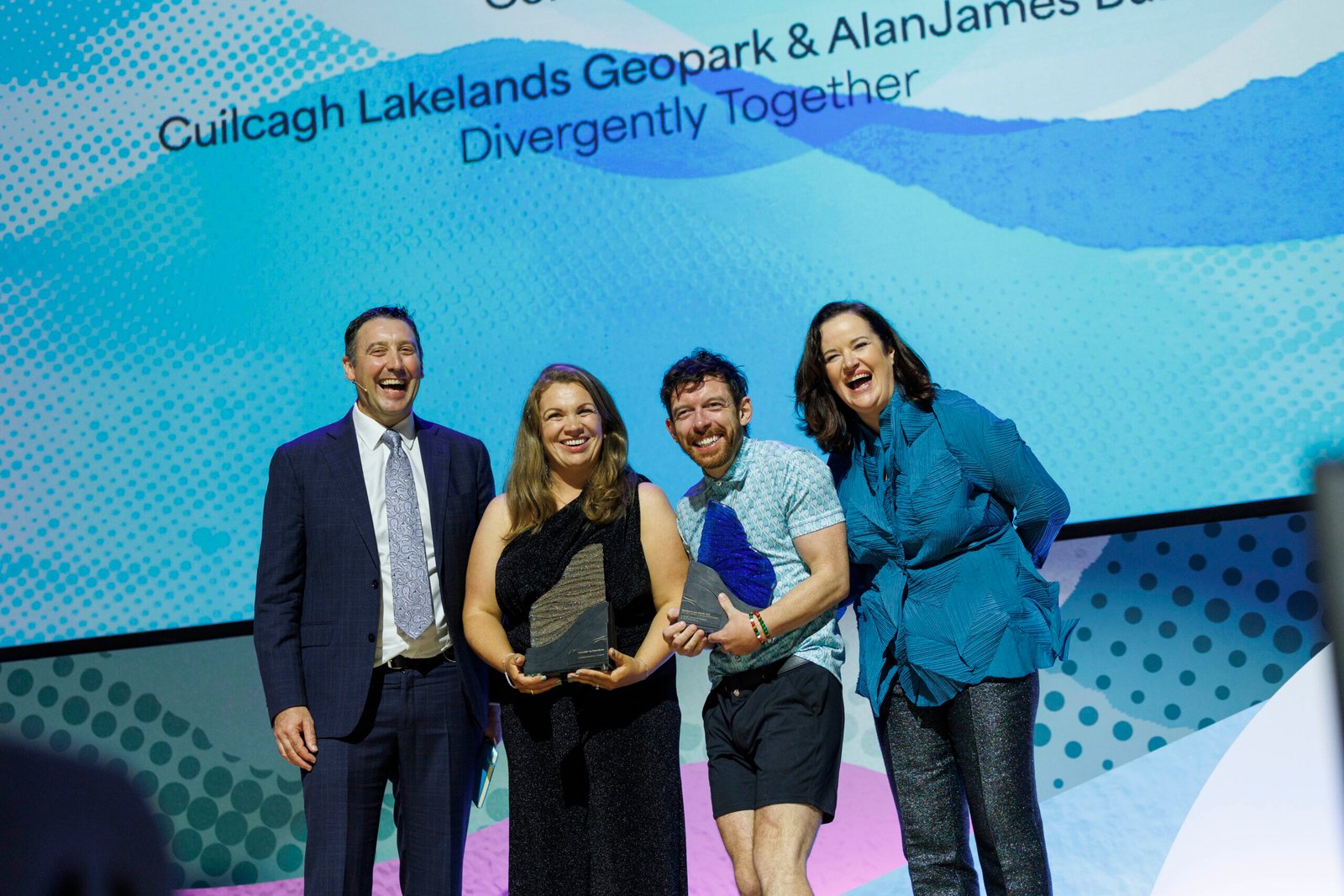
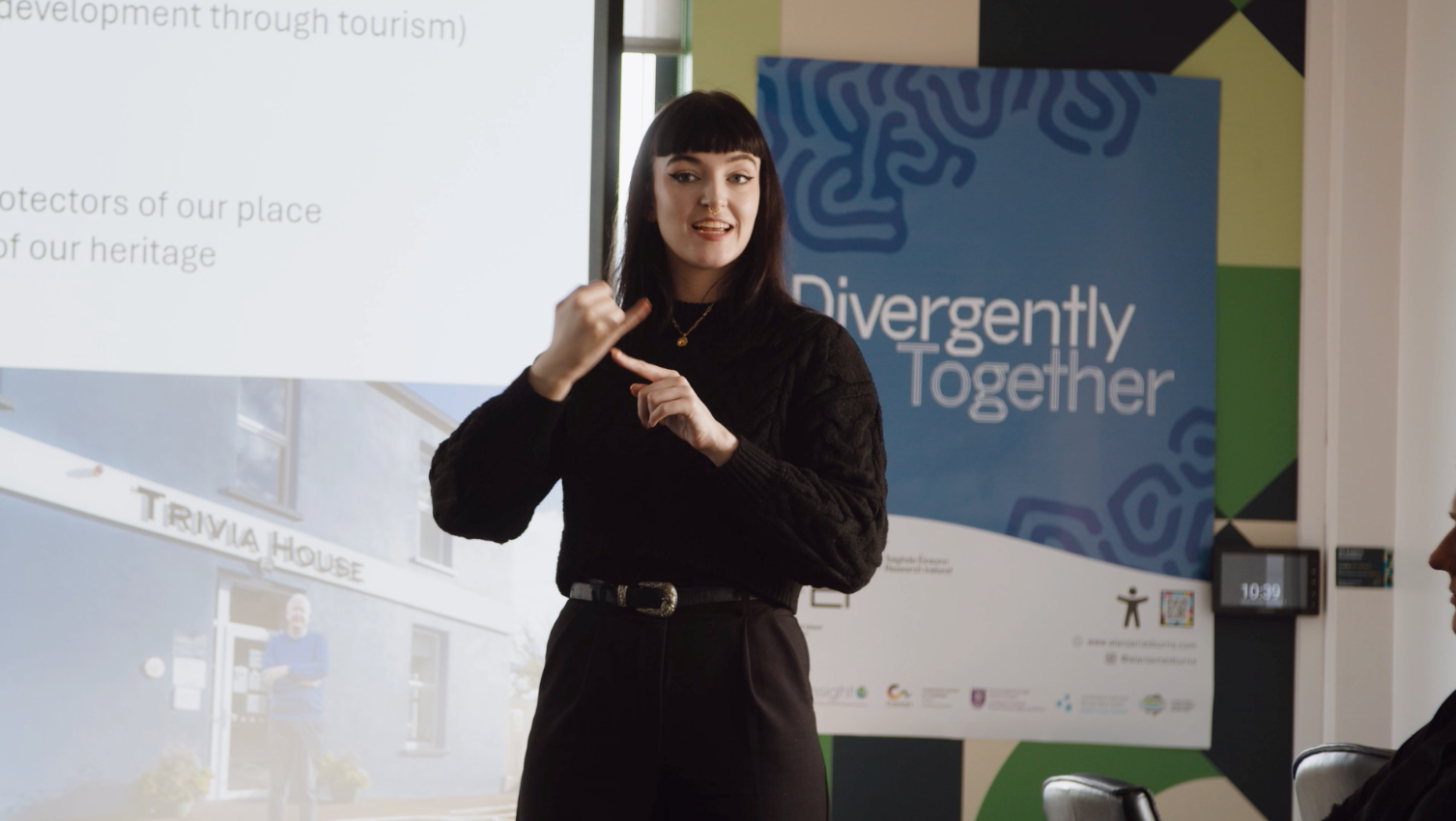
Divergently Together is a socially-engaged, shared-island, creative community engagement project across the intersections of neurodiversity, climate change, art and technology, facilitating disabled and neurodivergent communities to participate in climate action.
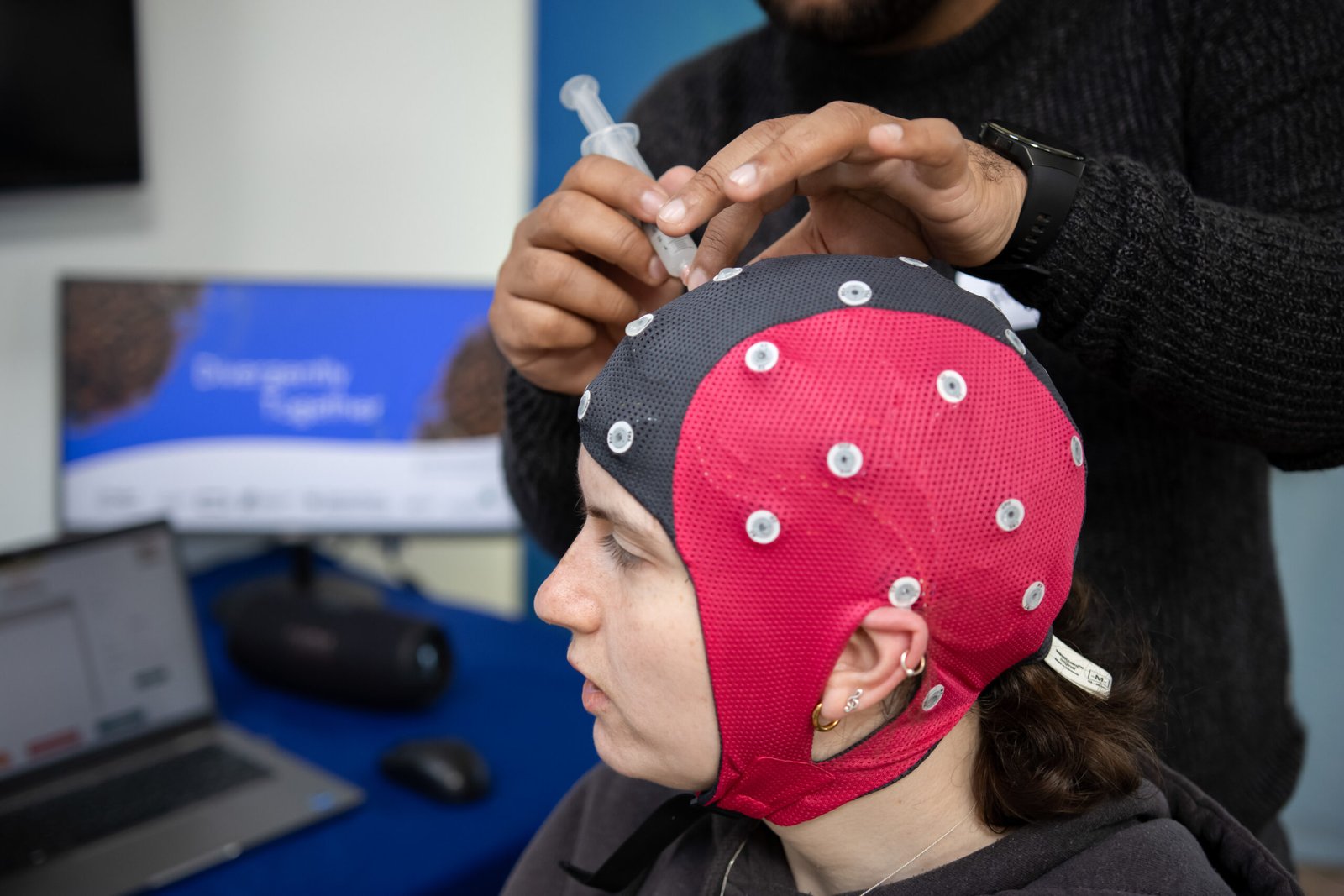
Led by artist AlanJames Burns in partnership with Rinn AI at Dublin City University, the project brought together neurodivergent participants from the border region of Cavan, Fermanagh and Omagh, alongside local authorities and climate policy makers. Through creative practice, STEM technologies and community-led design, Divergently Together created space for disabled and neurodivergent voices to shape climate action while helping to bridge the gap between lived experience and climate policy.
The Context
Climate change disproportionately affects disability communities. A lack of accessible information, physical vulnerabilities in extreme weather events, increased sensitivity in heat waves due to effects on medication, and a lack of access funding for climate action projects are just some examples of ‘eco-ableism.’
People with lived experience of disability are often largely excluded from climate action efforts, and it is crucially important to create pathways for meaningful participation in climate action.
The disability community is a uniquely placed voice within climate change discussions, and Divergently Together recognises the vital skills and characteristics that can greatly enhance climate mitigation strategies, including resilience, resourcefulness, specialised knowledge, community-centred care, non-linear thinking, the ability to navigate barriers and obstacles, and the ability to challenge established ways of thinking.
Laying Foundations
In the early days of the project, Divergently Together gathered lived experience perspectives from disability communities across Ireland.
From urban perspectives in Waterford and Laois, to rural insights in Cavan, and the unique challenges of island life on Inis Oírr, each location brought a different understanding of how climate change and climate action affected the lives of people in those communities. These conversations helped shape the direction and development of Divergently Together.
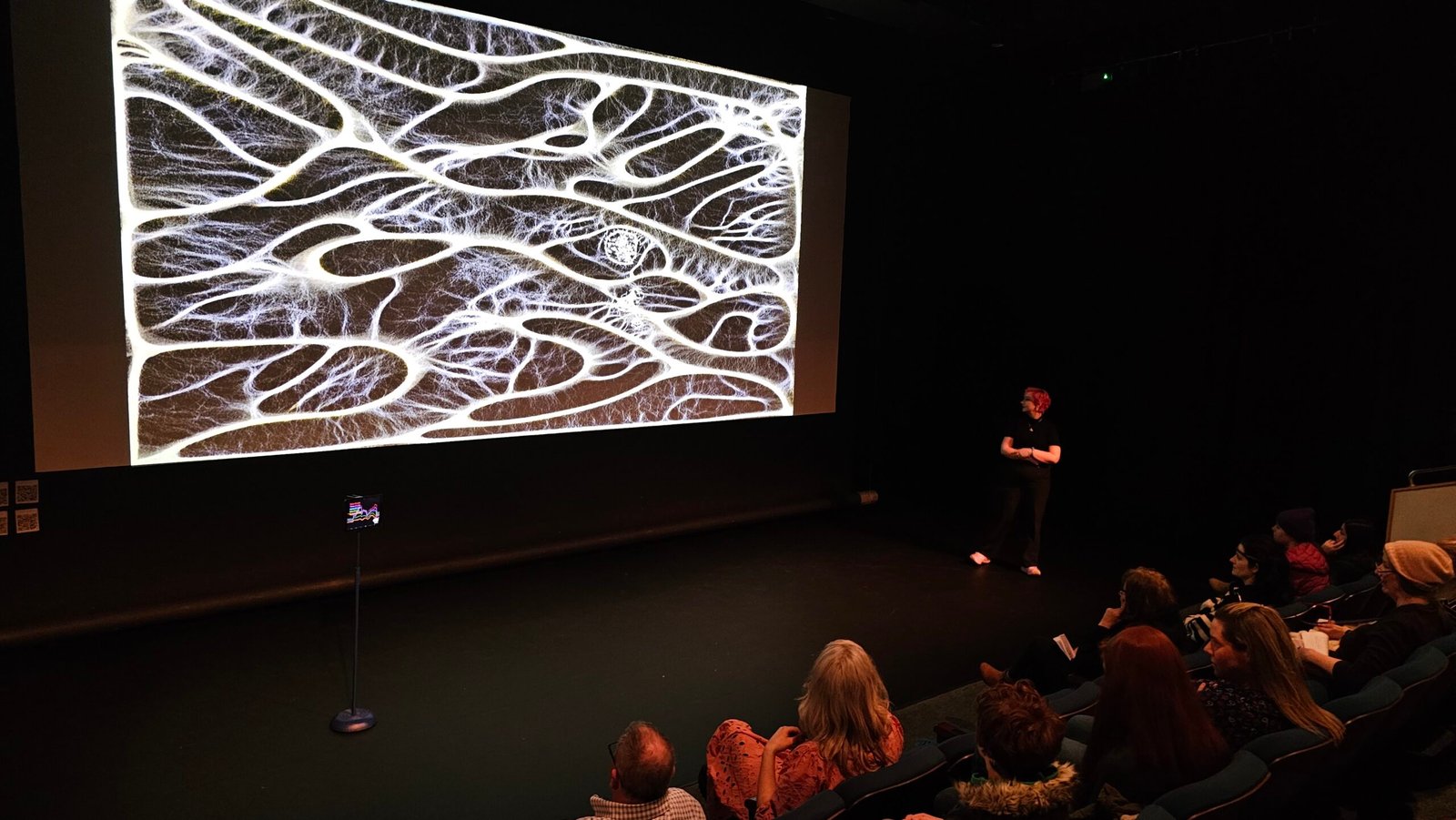
Building Community
At the heart of Divergently Together is the belief that meaningful change happens through collaboration. Rather than working in isolation, we are building our ecosystem through relationships, and through the expertise that exists within our communities. Human diversity is biodiversity and we need multiple types of people to tackle big topics like the climate emergency.
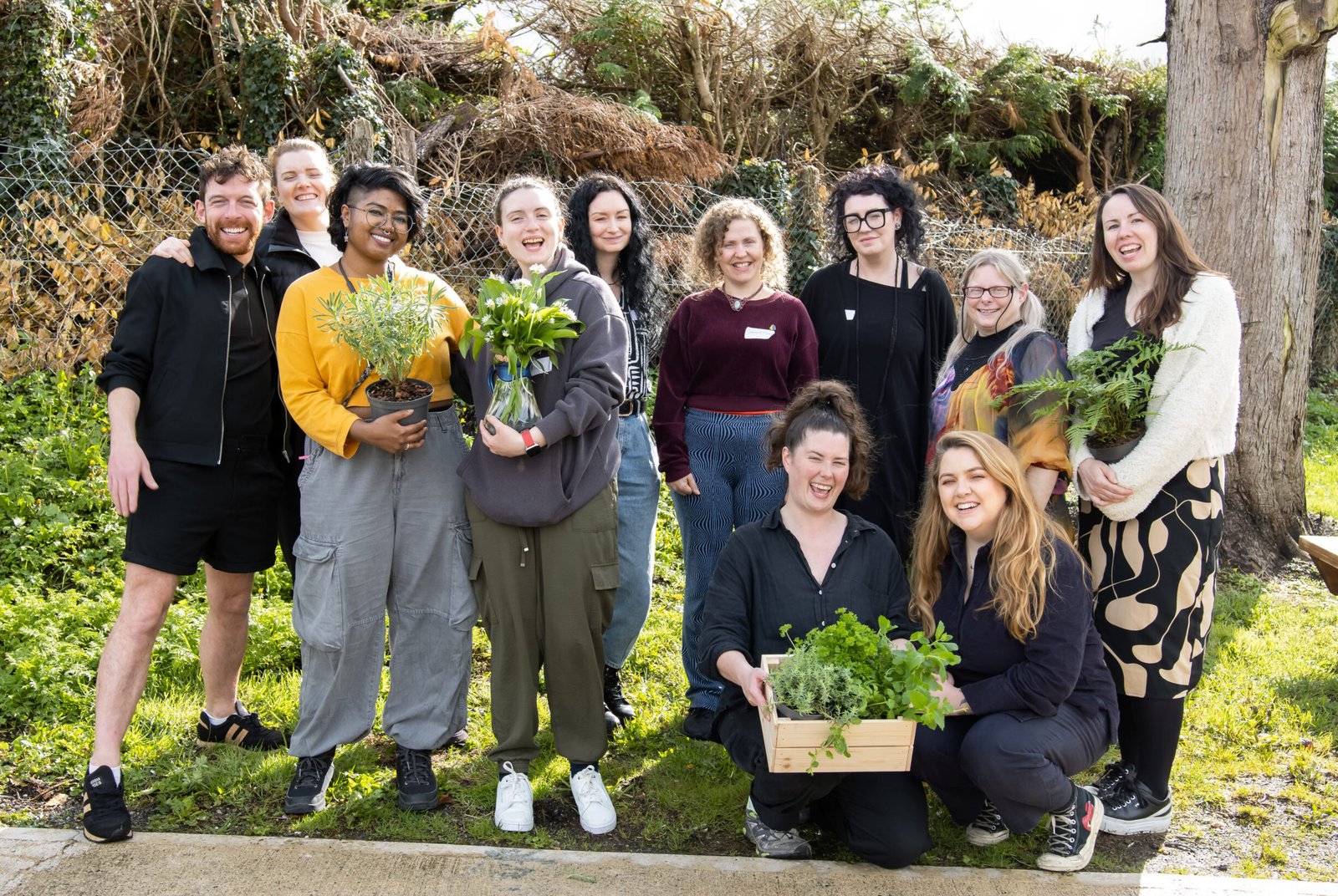
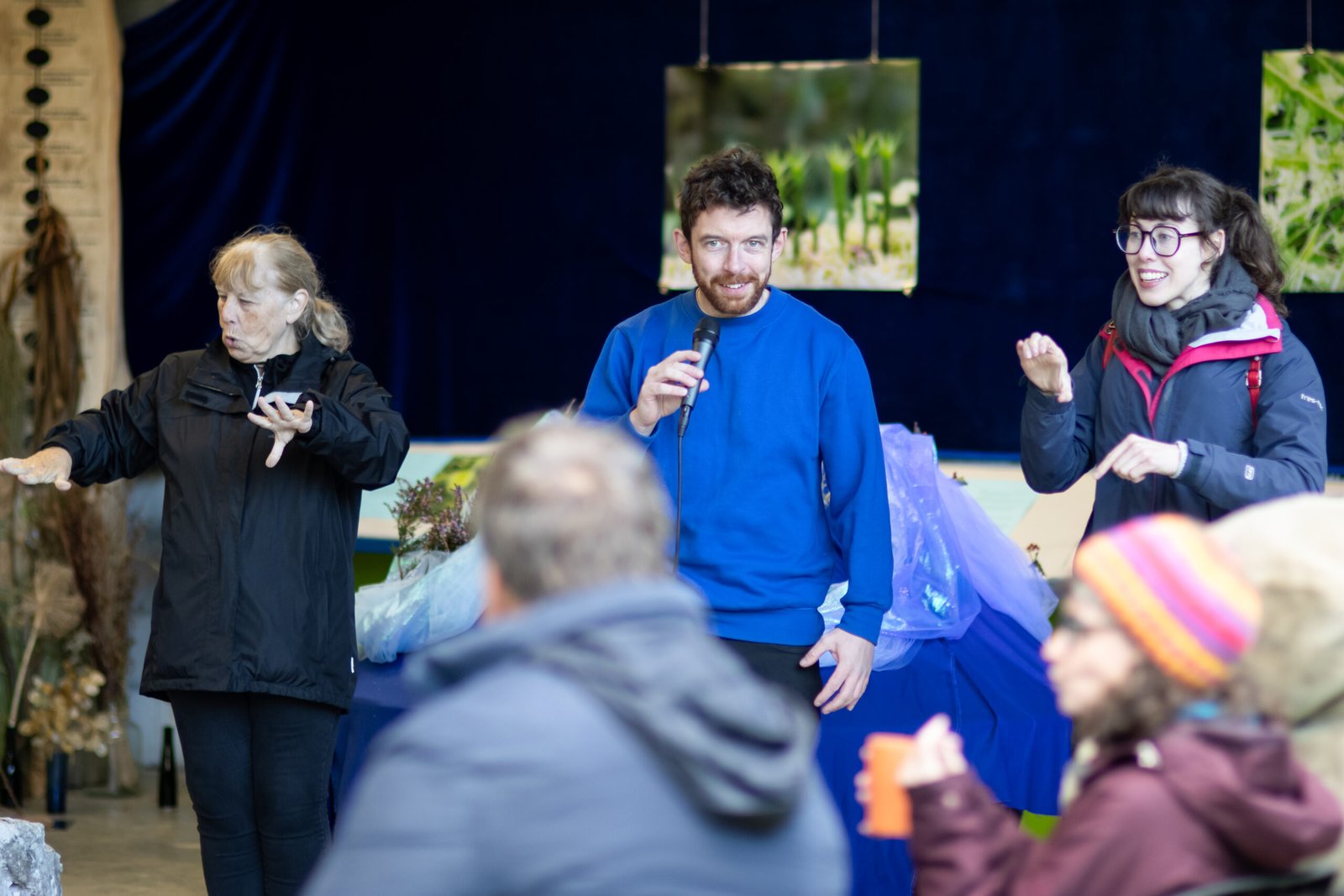
We built a cross-border community of neurodivergent people from Cavan, Fermanagh and Omagh, creating opportunities to connect, share experiences and explore climate action together. Through creative workshops, discussions and events, both in person and online, Christopher David Schuette, Ciara O’Conor Walsh, Clare Martyn, Julie Anna Richmond, Lorraine Montague, Michelle Harton and Niamh Mc Philips brought their lived experience, knowledge and perspectives to the project, helping to shape and co-create responses to the climate emergency.
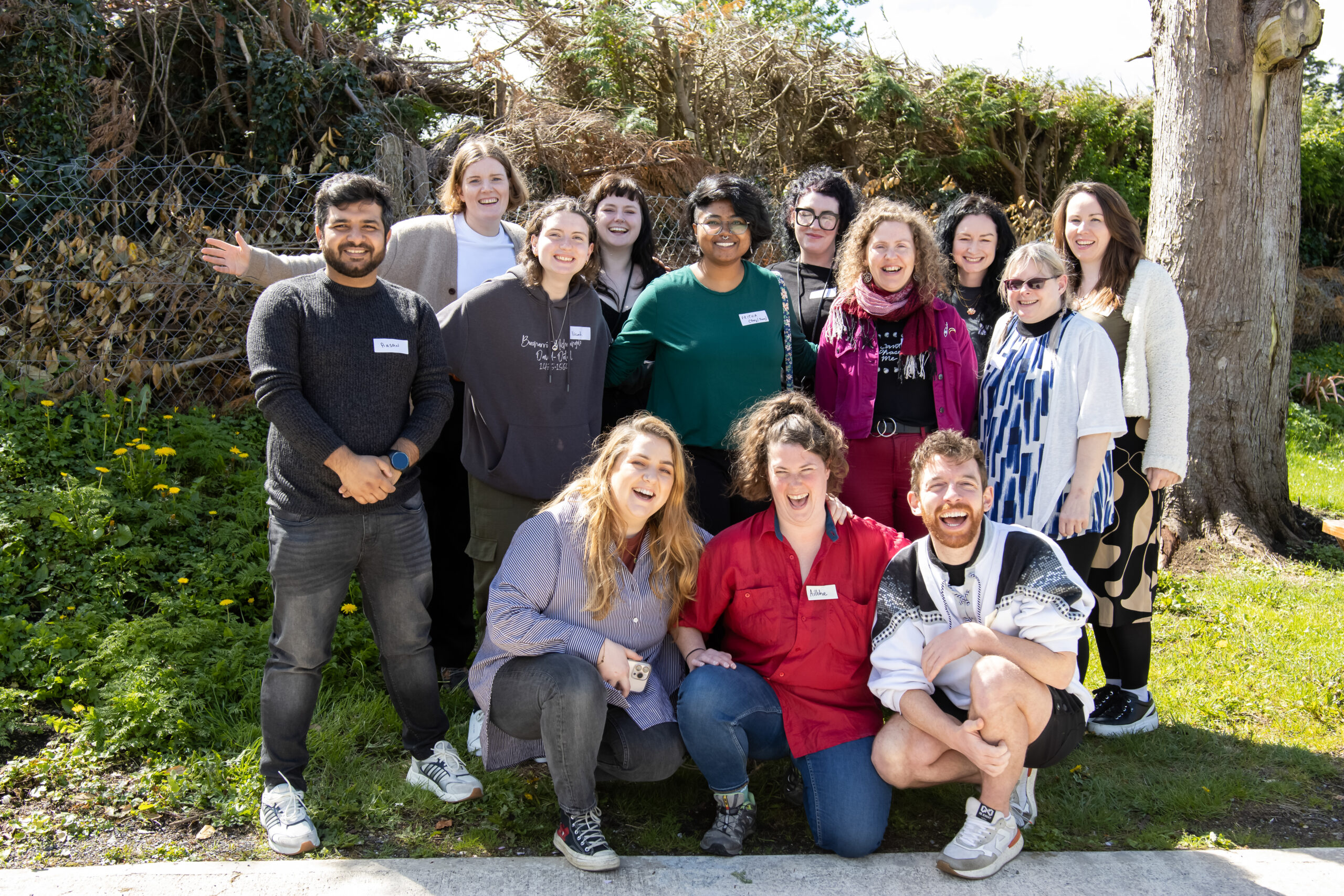
Building a Network for Change
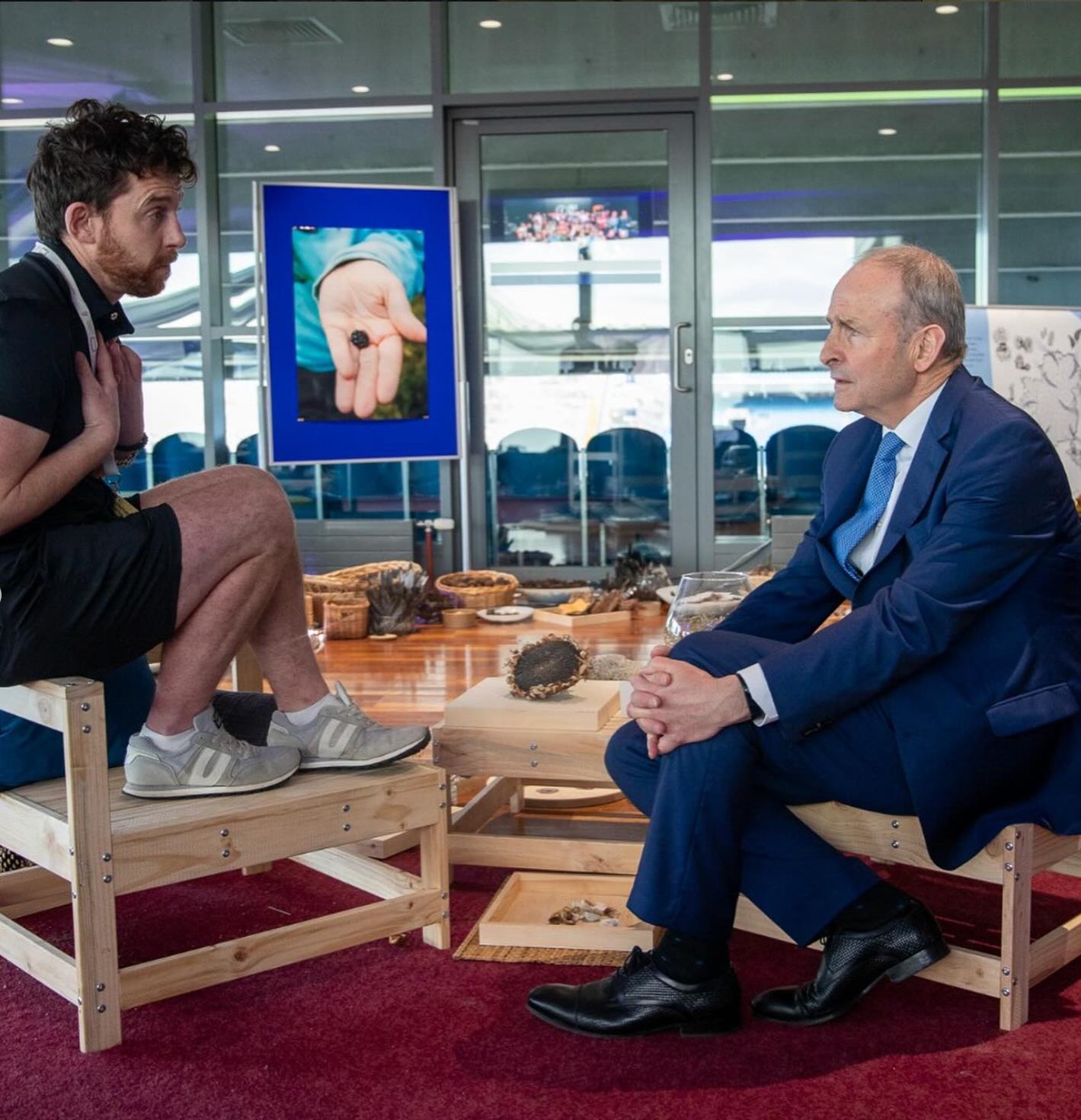
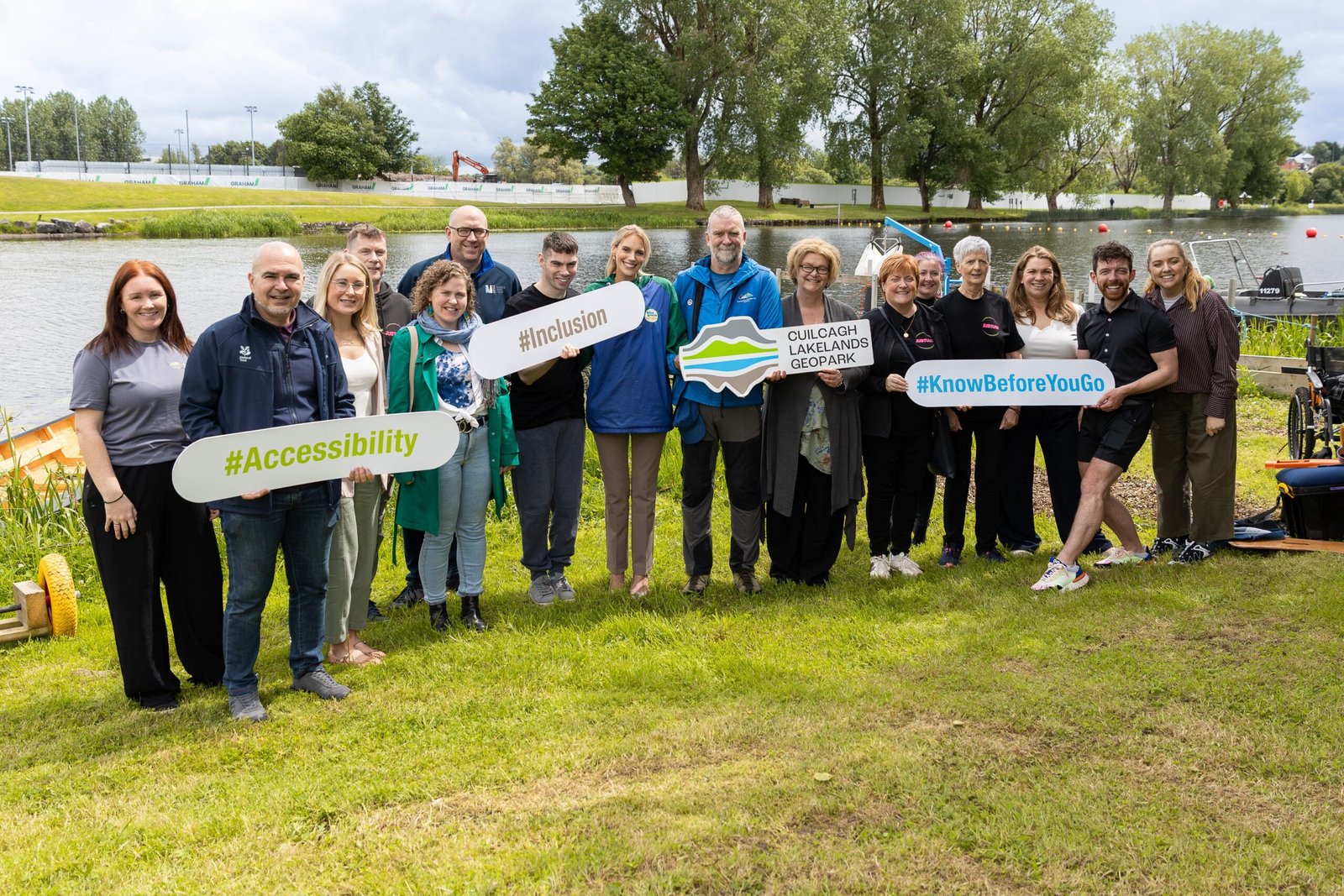
We work closely with Climate action teams in Cavan County Council, Fermanagh & Omagh District Council and Dublin City Council, alongside UNESCO Global Cuilcagh Lakelands Geopark, the Geopark Business Network and Geopark Ambassadors. Through these partnerships, we create opportunities to share learning, connect people across sectors, and explore how neurodiversity can play a vital role in shaping climate action. Together, we are strengthening skills, deepening understanding, and building a more inclusive approach to creating a sustainable future for all – humans and more-than-humans.
Lasting Change in the Community
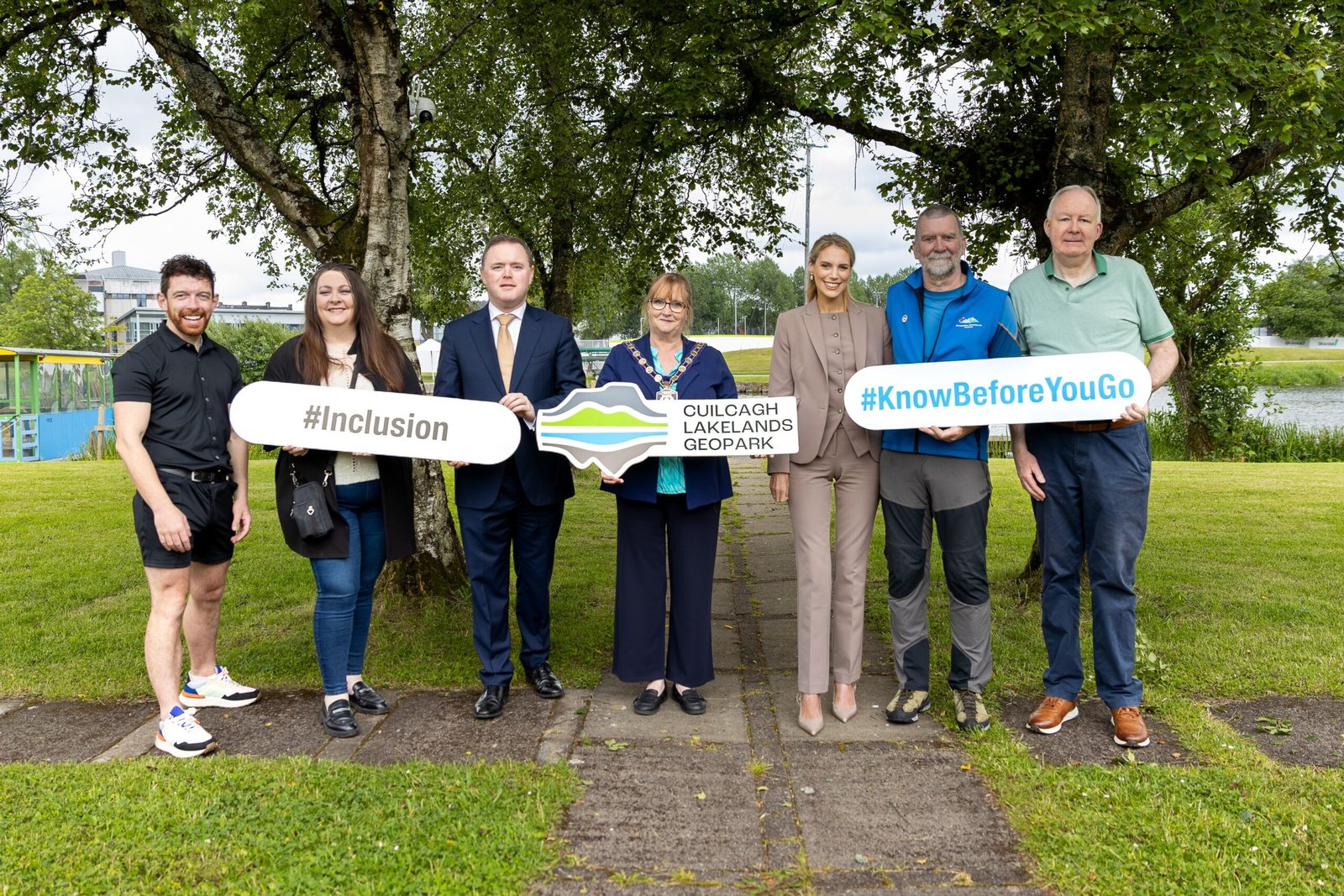
Divergently Together has directly led to and supported the development of over 100 Know Before You Go accessibility guides across the Cuilcagh Lakelands Geopark launched by businesses and outdoor sites, providing visitors with clear, practical information on accessibility features, sensory considerations and facilities before they travel. This increases access to nature, encourages environmental stewardship and makes the Geopark’s resources accessible. This reflects a cultural shift and behavioural change towards universal design.
“The commitment shown by the Geopark in developing these ‘Know Before You Go’ guides is a powerful step forward for accessibility. It recognises that inclusion starts long before someone arrives. It begins with clear, honest information that allows people to plan with confidence. This work not only removes barriers, it sends a clear message that everyone is welcome and considered.”
Shelley Cowan, Accessibility Advocate and Founder of Travel Ease
Collaborators and Contributors
Co-Creators
Chris Schuette
Ciara O’Connor Walsh
Clare Martyn
Julieanna Richmond
Lorraine Montague
Michelle Harton
Niamh McPhillips
Contributors
Ahsan Awais, PhD candidate at Insight, his research area is related to EEG based Brain Computer Interfaces.
Chandrika Narayanan-Mohan writer, performer and cultural consultant.
Emma Mohan O’Grady, sensory foraging artist.
Eoin O’Raghallaigh & Melissa O’Brien, guides and information officers, OPW National Botanic Gardens.
Heather Botwell, biodiversity educator and Geo Park ambassador.
Howard Fox, ecologist and botanist who has researched and published extensively on lichen and lichenicolous fungi.
Keren MacLennan, Lecturer, Department of Psychology and Autism researcher, working from a Neurodiversity paradigm perspective.
Maria Cullen, research scientist specialising in geology, ecology and lichenology.
Pritha Kundu, intersectional movement artist and filmmaker.
Steven Kapp, Developmental psychologist, Researcher in Stimming and Senior Lecturer in Psychology at University of Portsmouth.
Dr Verity Burke, interdisciplinary scholar working at the intersections of literary praxis, the environmental humanities, and museum studies. Founder of the Unnatural History Museum.